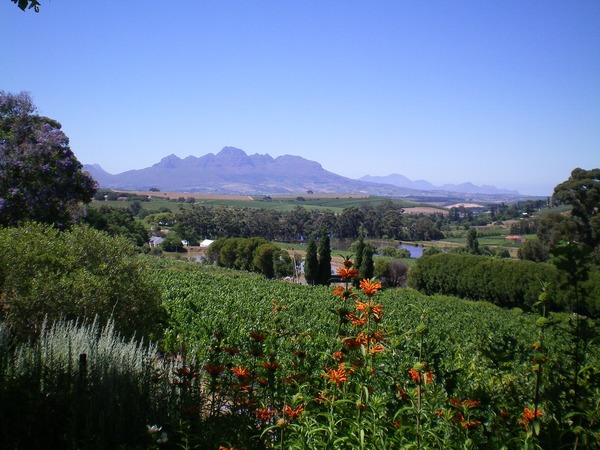
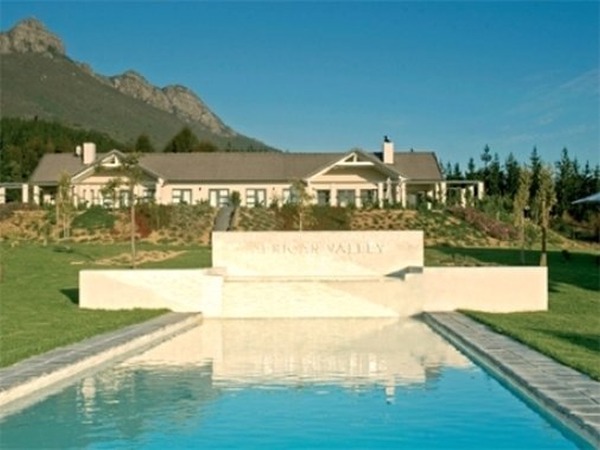
Stellenbosch is the second-oldest town in South Africa, founded in 1679, and the spiritual home of the Cape Wine industry. The Eerste River runs through the centre, oak-lined streets fan out from the Braak (the village green), and roughly 200 wine estates cluster in the surrounding valleys. It is also a serious university town — Stellenbosch University is one of the country's oldest, with strong faculties in business, law and viticulture — which keeps the demographic mix younger and more international than the wine-tourism numbers suggest.
Where conferences happen
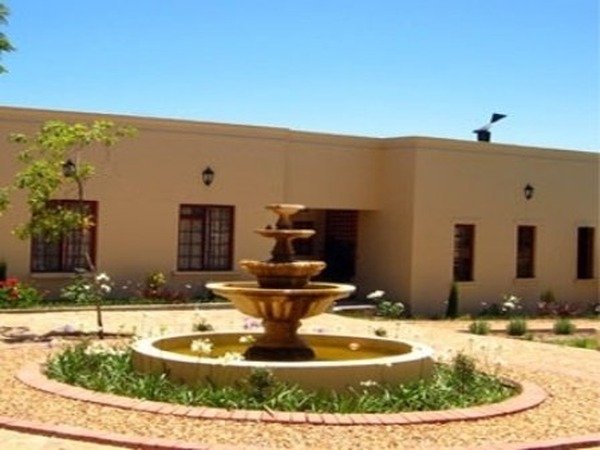
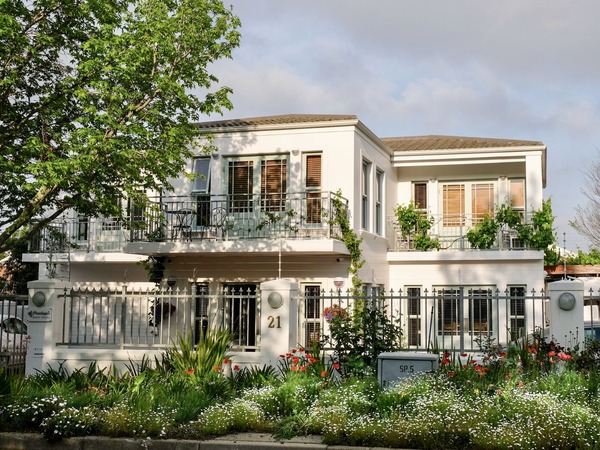
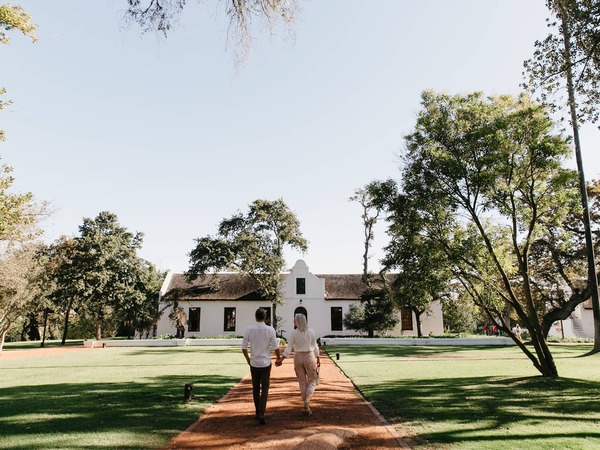
Stellenbosch conferencing is dominated by wine estates and country hotels. Venues like Spier, Lanzerac, Asara, Webersburg, Delaire Graff and Devon Valley combine working conference space with on-site accommodation, fine dining, and tasting-room programmes — a single-venue experience that no urban hotel can replicate. Expected capacity per estate runs 30–250 delegates, occasionally larger when marquee setups are used. The Stellenbosch University Conference Centre handles academic and government events at higher capacity. Boutique town hotels (Oude Werf, Coopmanhuijs, Ryneveld) handle smaller executive groups and partner programmes.
Why pick Stellenbosch over Cape Town
It is a deliberate choice for events where the venue itself is part of the programme. Wine-paired dinners, blending workshops, vineyard walks, and farm-to-table catering aren't add-ons — they're what the place does by default. Stellenbosch suits executive strategy off-sites, board retreats, incentive programmes, destination conferences for international groups, and any meeting where you want the working day and the social evening to happen on the same property. It is not the right pick for transactional, large-volume corporate conferences — the CTICC handles those.
Getting there
Cape Town International Airport is 35–40 minutes by road via the N2. There is no rail or shuttle service worth booking — most groups arrange dedicated transfers. The town centre is walkable; estates are within 5–25 minutes' drive of the centre.
Climate and seasonality
November–April is the high season — warm dry days (25–35°C), cool evenings, harvest happening in February and March (a strong overlay for incentive programmes wanting harvest experiences). Winter (June–August) brings rain and grape-pruning season; the wine farms shift indoors and the experience becomes more about cellar tours, blending sessions and barrel tastings. Shoulder pricing in May, June and September is meaningfully lower without losing much in delegate experience.
What to budget
Day-delegate packages run R1,400–R2,800, typically bundled with wine tasting or a vineyard walk. Estate accommodation runs R3,500–R7,500 per night for four-star, climbing into R10,000+ at the top of the market (Delaire Graff, Babylonstoren). Group rates are negotiable — wine estates have lower delegate volumes than hotels and pricing reflects the scarcity.
Conference venues in Stellenbosch
45 venues listed. Compare facilities, capacity and pricing.
See all venues →