Plettenberg Bay (just "Plett" in conversation) is the Garden Route's premium beach town. It sits on a wide curving bay between two headlands, with the Robberg Peninsula nature reserve forming the western anchor. December–January Plett is one of the busiest holiday towns in the country; outside that window it is a quietly upmarket conference and incentive destination with one of the best beach-front accommodation portfolios in SA.
Where conferences happen
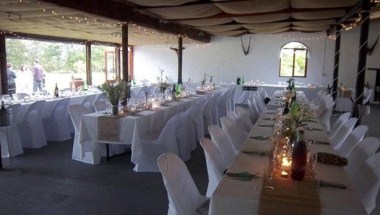
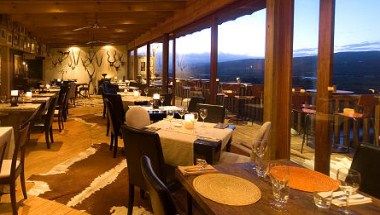
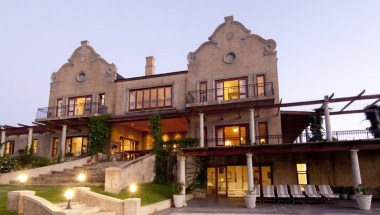
The Plettenberg Hotel (a Liz McGrath property with cliff-edge views), Tsala Treetop Lodge, Hunter's Country House, Hog Hollow and a strong list of boutique villas and lodges handle most premium events. Capacity is typically 30–150 delegates per venue; events larger than that split across multiple properties or move to Knysna. Robberg Beach Resort and several mid-market hotels add volume options.
When to pick Plett
Executive incentive trips, family-office retreats, partner-programme combinations with Knysna, and any conference where the goal is a premium beach experience without flying delegates to Mauritius or Mozambique. February–April and September–November are the sweet spot — quiet beaches, reliable weather, off-peak pricing.
Getting there
Plett has a small airport (PBZ) with limited scheduled service from Johannesburg via SA Airlink (4–5 weekly flights). George Airport is 1 hour 15 minutes by road; Port Elizabeth 3 hours. Most groups drive from George.
Climate and seasonality
Same Garden Route year-round mildness; warmer than Knysna by 1–2 degrees. December peak season brings 30°C+ days and very crowded beaches. Whale-watching season runs June–November and is among the best in SA.
What to budget
Day-delegate packages R1,400–R2,800; premium accommodation R4,500–R12,000+. December premium is 40–50% over off-peak. Most conference business happens September–April outside of December–first-week-January.
Conference venues in Plettenberg Bay
12 venues listed. Compare facilities, capacity and pricing.
See all venues →