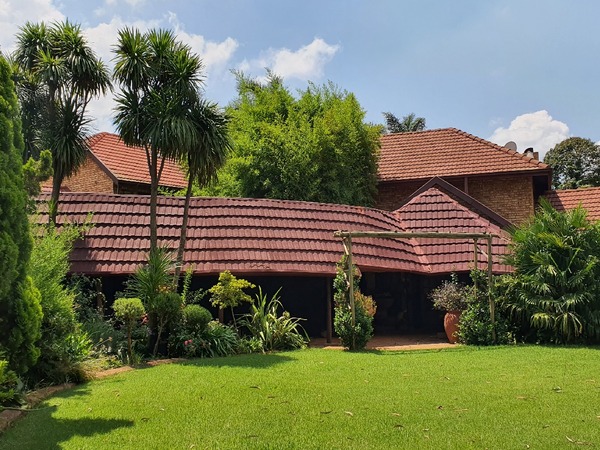
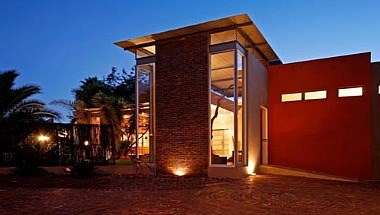
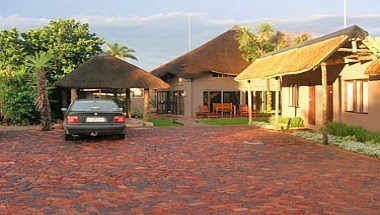
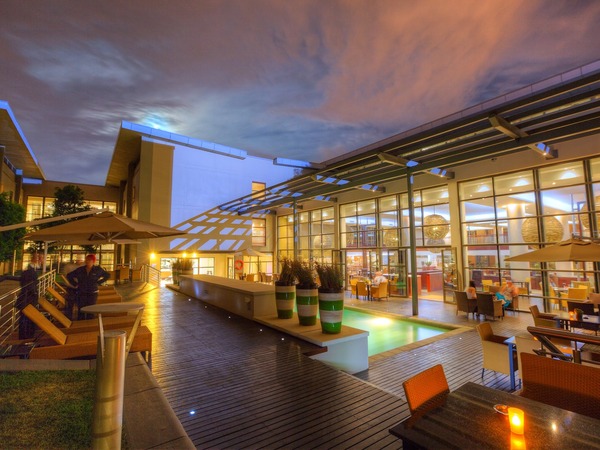
Kempton Park is the East Rand suburb that surrounds OR Tambo International Airport. It is functionally the airport hotel cluster of Gauteng — over thirty hotels within ten minutes of the international terminal, ranging from premium chain properties to budget options. For conferences where many delegates fly in from across SA, Africa or internationally, Kempton Park is the practical choice: shorter transfer times, lower transfer costs, and reliable on-time arrivals.
Where conferences happen
Birchwood Hotel and Conference Centre (a 665-room property with extensive conference facilities; one of the largest conference hotels in Africa), Protea Hotel OR Tambo Airport, Premier Hotel OR Tambo, Garden Court OR Tambo, Holiday Inn Sandton (technically Modderfontein but operationally adjacent), and a long list of City Lodge-and-equivalent mid-tier hotels handle most local conferencing. Emperors Palace casino and convention complex is just east of the airport with its own large-volume conference and entertainment offering.
When to pick Kempton Park
Conferences with significant fly-in delegate numbers — pan-African events, SA-wide industry conferences, training and accreditation programmes where same-day arrival and departure matters. Strong for events where partner programmes aren't a priority and the working day is the deliverable. Pricing is among the lowest in metro Gauteng.
Getting there
OR Tambo International is 5–10 minutes from most Kempton Park hotels. Sandton is 20 minutes northwest via the R24; Pretoria CBD is 35 minutes via the R21.
Climate and seasonality
Same Highveld pattern — slightly drier than Sandton due to position east of the city.
What to budget
Day-delegate packages R750–R1,400; accommodation R1,200–R2,800 mid-tier, R3,500+ at Birchwood and Emperors Palace. Among the most price-competitive locations in Gauteng for large fly-in audiences.
Conference venues in Kempton Park
27 venues listed. Compare facilities, capacity and pricing.
See all venues →